How Residential Electrician Inspections Protect Your Family
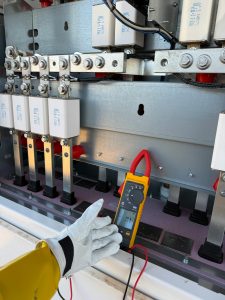
A house can look solid and still hide electrical problems that put people at real risk. I have seen tidy panel covers hiding scorched breakers, new kitchen backsplashes installed over old wiring that should never have been left in service, and children’s bedrooms running on overloaded circuits because a home office was added years later without anyone rethinking the electrical load. Most homeowners do not notice these issues until something starts tripping, flickering, buzzing, or burning. By then, the problem has usually been there for a while.
That is why periodic inspections matter. A qualified Residential Electrician does more than glance at a panel and say everything looks fine. A proper inspection residential electrical repairs is part safety review, part code awareness, and part practical planning for how a family actually lives in the house. It is not just about avoiding failed components. It is about preventing shock hazards, reducing fire risk, protecting appliances and electronics, and making sure the system can handle the way the home is used now, not the way it was used twenty or forty years ago.
What an electrical inspection really looks for
When people hear the word inspection, they often picture a fast walk-through with a clipboard. A meaningful electrical inspection is much more specific than that. The electrician is trying to answer a few basic questions. Is the system safe? Is it appropriately grounded and protected? Has anything been modified poorly? Are there signs of wear, overload, moisture damage, or heat? And perhaps most important, is the electrical system keeping up with the needs of the people living there?
In older homes, one of the first concerns is whether the original wiring methods are still in service and whether they have been altered correctly over time. Knob-and-tube wiring, cloth-insulated conductors, aging aluminum branch wiring, and obsolete fuse panels all demand careful judgment. None of these details automatically mean danger, but each one raises the stakes. A veteran electrician knows the difference between an old system that has been maintained and an old system that has been patched together by several generations of hurried repairs.
In newer homes, the concerns are different. The wiring may be modern, but that does not guarantee perfect workmanship. I have seen reversed polarity at receptacles in homes less than five years old, loose terminations in panels, exterior outlets without proper weather protection, and bathroom circuits that were not behaving as ground-fault protection devices should. A newer house may offer cleaner materials and more capacity, but it still relies on human installation, and human installation is never flawless.
The hidden risks families live with every day
Electrical hazards are dangerous partly because they stay out of sight. A water stain on a ceiling gets attention. A loose neutral inside a junction box does not. Yet that loose connection can create heat every time a load runs through it. That heat can build slowly over weeks or months, often without any obvious warning.
Families are especially vulnerable because homes combine so many electrical demands with everyday distractions. Parents are cooking while chargers are plugged in at the kitchen island. Space heaters come out during cold spells. Kids use extension cords for game consoles or bedroom lighting. Laundry equipment cycles in the background. A garage refrigerator keeps running on a circuit that may already be busy. All of this feels normal because it is normal. But normal use can reveal the weak points in an aging or poorly maintained system.
The main risks are not abstract:
- electrical fires caused by overloaded circuits, damaged insulation, arcing, or loose connections
- shock hazards near sinks, bathrooms, basements, garages, and outdoor areas where moisture changes the risk profile
- appliance damage from poor grounding, voltage fluctuations, or improper circuit sizing
- nuisance tripping that tempts homeowners to ignore or bypass protection devices
- unsafe do-it-yourself repairs hidden behind cover plates, in attics, or above finished ceilings
That last point deserves emphasis. Some of the most dangerous conditions I have encountered were not caused by age. They were caused by well-meaning improvisation. A homeowner swaps a fixture, adds a receptacle, extends a circuit, or replaces a breaker without understanding box fill, conductor ratings, torque requirements, or grounding continuity. It may work for a while. It may even look neat. But electricity does not grade on effort. It responds to whether the work was right.
Panels, breakers, and why the service equipment matters so much
If there is one area of the home that tells the clearest story, it is the main electrical panel. The panel shows whether the home has enough capacity, whether circuits are properly labeled, whether breakers match the equipment, and whether any signs of overheating are present. It also reveals how much the system has been altered over time.
A family may assume a 100-amp service is enough because the lights come on and the dryer runs. Sometimes it is enough. Sometimes it is stretched thin by modern life. Add central air, a microwave, a garage freezer, bathroom hair tools, gaming computers, and perhaps an electric vehicle charger, and the margin gets much smaller. A Residential Electrician looks beyond whether the service is technically functioning and considers whether it is appropriate for actual household demand.
Breakers themselves tell stories. A breaker that trips repeatedly is not always faulty. Often it is doing its job and signaling a problem downstream. Replacing it with a larger breaker without proper calculation can be extremely dangerous. The wire size may not support the increased current, which means the conductors could overheat before the breaker trips. During an inspection, the electrician checks that breaker sizing matches conductor capacity and circuit purpose, and that the panel interior does not show scorching, corrosion, double taps where they are not permitted, or evidence of water intrusion.
Even labeling matters more than people think. In an emergency, a clear panel directory saves time. If a family smells burning near a dishwasher circuit or sees sparking at a garage receptacle, the difference between a well-marked panel and a vague one can be the difference between a quick response and a frantic search.
Ground fault and arc fault protection, where family safety gets very practical
Protective devices have become much better over the years, and inspections often focus on whether a home has the protection it needs in the places it matters most. Ground-fault circuit interrupters, commonly called GFCIs, are especially important anywhere electricity and moisture might meet. Kitchens, bathrooms, laundry areas, garages, basements, exterior outlets, and certain utility spaces are common examples.
A missing or nonfunctioning GFCI may not be obvious in daily life. The outlet can still power a hair dryer or shop vacuum just fine. The problem appears when something goes wrong, a wet hand, a faulty appliance, a damaged cord, or an unintended path to ground. That is when the protection matters.
Arc-fault circuit interrupters, or AFCIs, address a different kind of danger. They are designed to detect arcing conditions that conventional breakers may not catch quickly enough. This is particularly relevant in bedrooms and living areas, where lamp cords, hidden cable damage, and pinched conductors can create hazardous faults. Some homeowners find AFCIs frustrating if they trip unexpectedly, but repeated nuisance trips should be investigated, not dismissed. Sometimes the issue is a sensitive device. Sometimes it is a sign of damaged wiring, loose terminations, or an incompatible load.
Inspections are valuable here because many homeowners do not test protective devices regularly, and some assume that because an outlet has “reset” and “test” buttons it must be working properly. That is not always the case. A trained electrician verifies operation rather than relying on appearance.
Older homes need special attention, but new renovations do too
There is a common belief that old homes are the main concern and newer renovated spaces are automatically safer. Reality is messier. Older homes do need closer evaluation because systems age, insulation degrades, grounding may be incomplete, and previous upgrades are often layered onto existing conditions. But renovations can introduce brand-new hazards if they were rushed or done without enough oversight.
A kitchen remodel is a good example. It is one of the most power-hungry spaces in the house. Modern kitchens demand small-appliance circuits, dedicated loads for certain equipment, proper countertop receptacle placement, GFCI protection, and sometimes AFCI requirements depending on jurisdiction and circuit configuration. If a contractor cuts corners or ties new loads into old circuits to save time, the result may function but remain unsafe.
Bathrooms present similar issues. Homeowners often focus on tile, lighting style, and ventilation fans, but electrically the room needs careful planning. Hair tools, heated mirrors, whirlpool tubs, bidet seats, and radiant floor heat can all change the load profile. Add water and bare feet to the mix and there is no room for guesswork.
I once walked through a finished basement where everything looked polished. Recessed lighting was straight, trim work was clean, and the homeowner was proud of the new family room. During inspection we found several junction boxes buried behind drywall and one receptacle circuit extended with the wrong type of cable for the installation area. None of it was visible after the remodel. That is precisely the problem. Good inspections protect families from hazards hidden behind attractive finishes.
Children, older adults, and the way inspections reduce everyday risk
Electrical safety is not only about major events like fire. It is also about reducing the smaller, more personal risks that affect vulnerable family members. Children are curious. They tug cords, explore outlets, and use devices in ways adults did not expect. Tamper-resistant receptacles, secure cover plates, and safe cord routing all matter more in a home with young kids.
Older adults face different concerns. A loose receptacle behind a nightstand may seem minor until someone plugs in a medical device or a bedside lamp and gets a mild shock. Dim hallways may encourage the use of extension cords in places where permanent receptacles are needed. An inspection can identify where convenience fixes have become safety hazards.
Families caring for someone with limited mobility should pay special attention to backup needs and accessibility. If a bedroom depends on multiple power strips for oxygen equipment, chargers, monitors, and task lighting, that setup deserves review. The electrician may recommend dedicated circuits, better receptacle placement, surge protection, or panel upgrades to support more reliable service.
This is where experience matters. A strong Residential Electrician does not just inspect a building. They observe how people live in it.
Warning signs homeowners should never ignore
Some hazards announce themselves before they escalate. The mistake is waiting too long because the issue seems occasional or easy to explain away. If a breaker trips once after a storm, that might be a one-off event. If it trips repeatedly when the toaster and coffee maker run together, the circuit is telling you something.
Watch for these signs and take them seriously:
- flickering or dimming lights, especially when large appliances start
- warm switches, warm receptacle covers, or a burning odor near outlets or the panel
- buzzing sounds from breakers, outlets, or light fixtures
- frequent breaker trips or fuses blowing under normal use
- two-prong outlets, loose receptacles, or dependence on extension cords in key living areas
None of these symptoms guarantees a worst-case scenario, but all justify a professional inspection. One of the hardest habits for homeowners to break is adapting to a problem instead of fixing it. People stop using one outlet, memorize which appliance combinations trip a breaker, or wiggle a plug until it works. That adaptation can continue for years. The system becomes familiar, and familiar starts to feel safe. It is not the same thing.
What happens during a professional home inspection
The exact scope depends on the home and the reason for the visit, but a thorough inspection usually moves from the service equipment outward. The electrician checks the panel, service entrance, grounding and bonding, branch circuit protection, visible wiring methods, and representative devices throughout the house. They may test receptacles, GFCIs, and AFCIs, inspect attic or basement runs where accessible, and note any signs of overheating, mechanical damage, amateur modifications, or moisture exposure.
They also ask questions, and that part matters. Do lights dim when the air conditioner kicks on? Has anyone noticed shocks from appliances? Are there rooms with too few outlets? Is there a hot tub, workshop equipment, sump pump, or electric vehicle charger? These details shape what the inspection focuses on because electrical safety is partly technical and partly behavioral.
A good electrician will also explain priorities clearly. Not every issue carries the same urgency. A missing panel label should be corrected, but it is not in the same category as a charred bus connection or a receptacle with reversed polarity near a sink. Families need a realistic sense of what should be addressed immediately, what should be scheduled soon, and what can be part of a planned upgrade.
The cost question, and why waiting often costs more
Homeowners sometimes postpone inspections because there is no obvious failure and they want to avoid spending money on “just a check.” That is understandable. Home maintenance is full of competing priorities. Yet electrical problems tend to get more expensive when ignored.
A loose connection can damage a breaker, receptacle, or appliance before anyone notices. An overloaded circuit may not fail dramatically, but it can shorten the life of electronics and motors over time. A service that barely supports the home now becomes a bigger issue when a new appliance, HVAC unit, or charger is added. Fixing problems early usually means more options and less disruption.
There is also the insurance and resale angle. If a home has known electrical defects or outdated equipment, those issues can complicate claims, inspections, and negotiations later. Buyers and insurers pay attention to panels, grounding, knob-and-tube wiring, aluminum branch circuits, and evidence of unsafe modifications. An inspection gives the current owner a chance to address concerns on their own timeline instead of under pressure.
When a family should schedule an inspection
Some moments in homeownership call for an electrical inspection even if nothing seems wrong. Buying an older house is an obvious one. So is completing a major renovation, adding large electrical loads, or moving into a home with vague maintenance history. I also recommend inspections when a family’s daily electrical use changes in a meaningful way. Working from home, adding a basement apartment, installing a hot tub, setting up a workshop, or supporting home medical equipment all place new demands on the system.
If the house is more than a couple of decades old and has never had a thorough electrical review, that alone is reason enough to book one. Homes evolve. Their wiring should keep pace.
Choosing the right Residential Electrician for the job
Not every electrician approaches inspections with the same level of care. Some are excellent troubleshooters but rush through whole-home reviews. Others are thorough but poor communicators. For a family safety inspection, you want someone who combines technical skill with practical judgment.
Look for a professional who explains findings in plain language and can separate code issues, safety issues, and optional improvements. The best inspectors do not rely on scare tactics. They point to evidence, describe the risk, and give you a workable plan. They understand local requirements, but they also understand that a lived-in home is not a showroom and that recommendations have to be realistic.
It helps when the electrician has broad field experience across older homes, remodels, service upgrades, and modern protection devices. Electrical systems rarely fail in neat textbook ways. The value comes from recognizing patterns, knowing where hidden defects commonly show up, and understanding when a symptom points to something larger behind the wall or inside the panel.
Peace of mind is not a vague benefit
People often describe inspections as buying peace of mind. That phrase can sound soft or generic, but in electrical work it has substance. Peace of mind means knowing the children’s bathroom outlets are properly protected. It means not wondering whether that faint burning smell near the panel was your imagination. It means having enough capacity for the way your family lives, rather than hoping nothing is pushed too hard. It means understanding the difference between a minor correction and a serious hazard.
Electrical systems rarely demand attention at convenient times. They fail during holidays, storms, weekend gatherings, and freezing nights when every circuit is working harder than usual. An inspection shifts the timeline in your favor. Instead of reacting to danger or inconvenience, you get to identify weaknesses early and deal with them methodically.
For most families, that is the real value of bringing in a Residential Electrician. The inspection protects more than wires and breakers. It protects routines, sleep, property, and the people who trust that home is the safest place they have.
Paxos Electric Company, LLC
255 NJ-15, Wharton, NJ 07885, United States
+1 973-598-8543
FAQ About Residential Electrician
What does a residential electrician do?
A residential electrician installs, inspects, maintains, and repairs electrical systems in homes. Common services include troubleshooting circuits, replacing panels, adding outlets and lighting, and completing electrical work for renovations.
When should I call an electrician for my home?
Call a licensed electrician if you notice repeated breaker trips, flickering lights, buzzing, burning odors, warm outlets, sparks, or unexplained power loss. Urgent warning signs should be addressed promptly.
Can a residential electrician upgrade an electrical panel?
Yes. A qualified electrician can evaluate the existing service, determine whether an upgrade is appropriate, obtain required permits, and install a panel sized for the home and planned electrical loads.
Do I need an electrician to install an EV charger?
A home EV charger often needs a dedicated circuit and a review of panel capacity. A licensed electrician can confirm the manufacturer requirements and complete the installation according to local electrical codes.